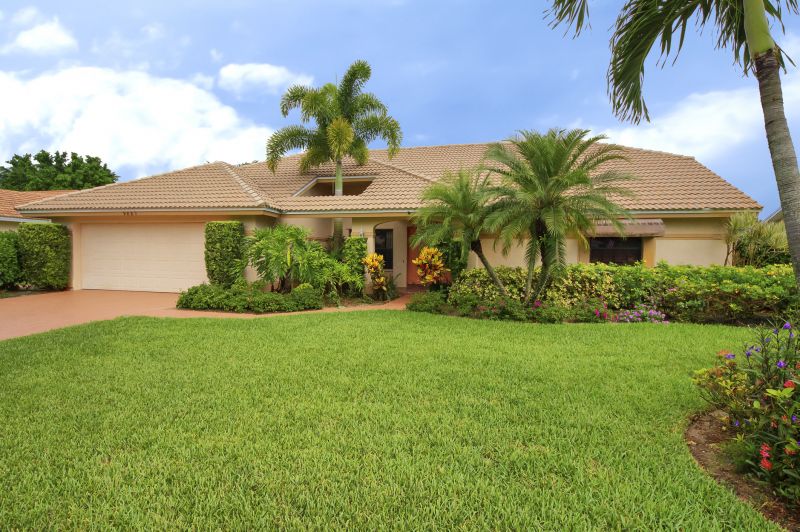
Palm Tree Removal in Allentown, PA
Palm tree removal services involve the careful cutting and removal of palm trees that are dead, diseased, damaged, or no longer desired on a property. These projects typically include assessing the tree's condition, safely cutting it down, and properly disposing of the debris. Homeowners often request this service when a palm tree poses a safety risk, obstructs views, or is affecting the health of surrounding plants. It’s important to understand the size and location of the tree, as well as any potential impact on nearby structures or landscaping, before requesting removal.
Property owners should consider factors such as the height of the palm, proximity to buildings or power lines, and the overall condition of the tree when planning for removal. Clear communication about the specific goals-whether complete removal or partial trimming-is essential for a successful project. Proper planning ensures that the removal process is safe, efficient, and minimizes disruption to the surrounding landscape.
Many property owners in Allentown, PA look into Palm Tree Removal for repairs, replacements, upgrades, and appearance-related improvements.
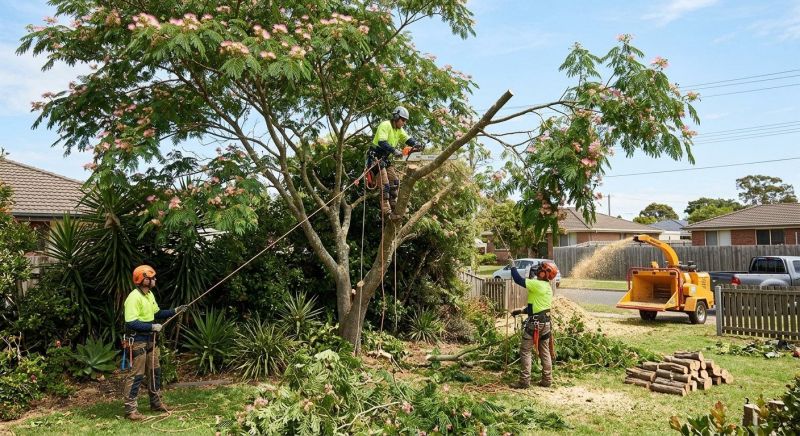
Reasons For Tree Removal
Tree removal may be necessary due to disease, safety hazards, or construction needs on properties in allentown, pa.
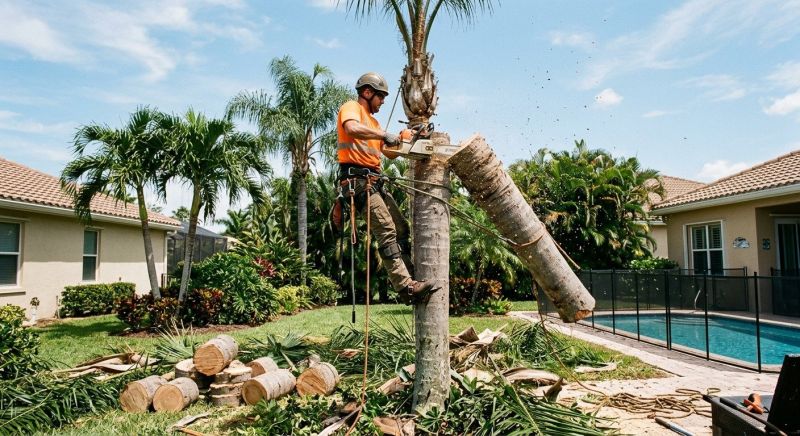
Tree Removal Techniques
Various methods such as crown reduction, stump grinding, and complete removal are used to safely clear trees from residential and commercial properties.
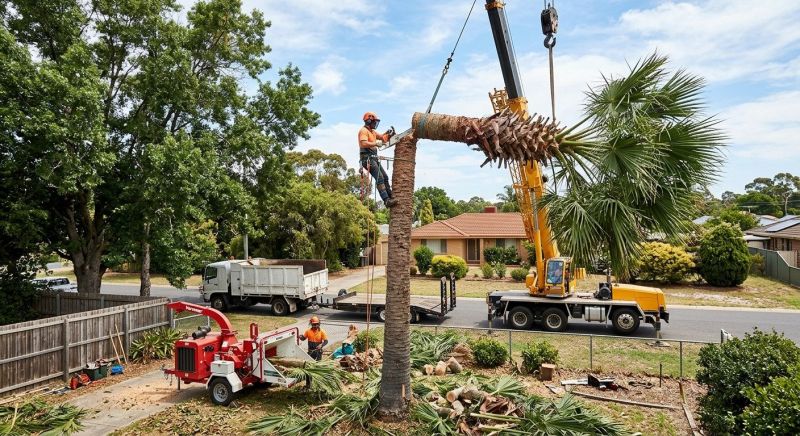
Post-Removal Cleanup
Proper cleanup includes debris removal and site restoration to ensure safety and aesthetics after tree removal in allentown area projects.
Palm Tree Removal in Allentown, PA
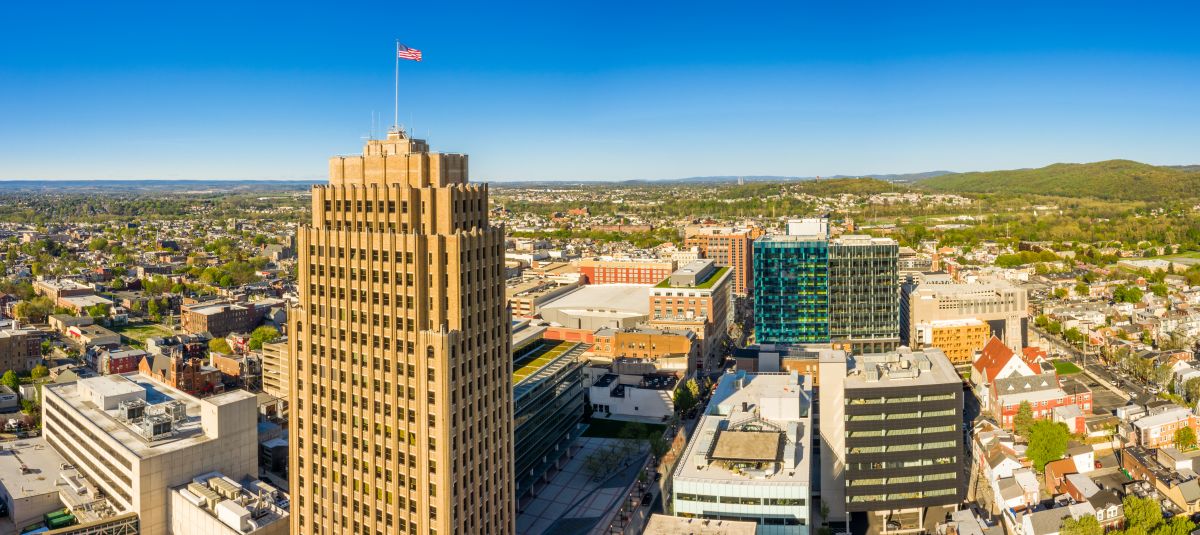
Palm tree removal services involve the careful cutting and removal of palm trees that are dead, diseased, damaged, or no longer desired on a property. These projects typically include assessing the tree's condition, safely cutting it down, and properly disposing of the debris. Homeowners often request this service when a palm tree poses a safety risk, obstructs views, or is affecting the health of surrounding plants. It’s important to understand the size and location of the tree, as well as any potential impact on nearby structures or landscaping, before requesting removal.
Property owners should consider factors such as the height of the palm, proximity to buildings or power lines, and the overall condition of the tree when planning for removal. Clear communication about the specific goals-whether complete removal or partial trimming-is essential for a successful project. Proper planning ensures that the removal process is safe, efficient, and minimizes disruption to the surrounding landscape.
Many property owners in Allentown, PA look into Palm Tree Removal for repairs, replacements, upgrades, and appearance-related improvements.
Common Palm Tree Removal Jobs
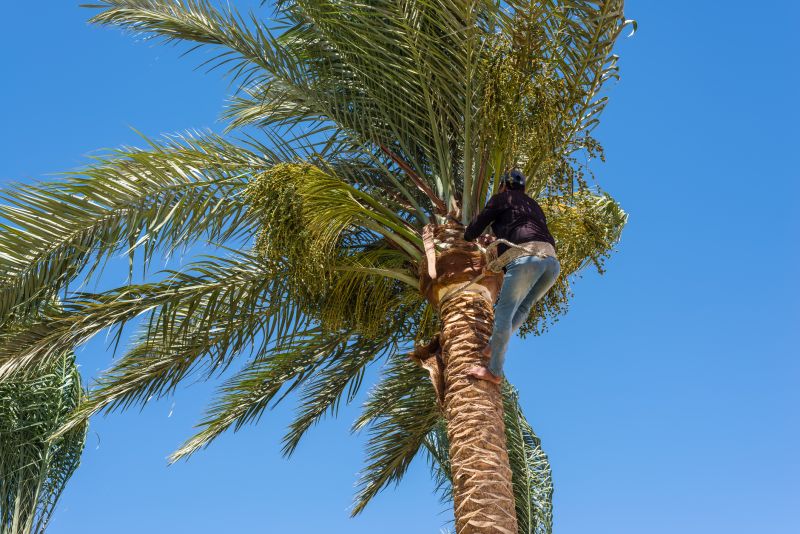
Palm Tree Removal - Safely removes dead or overgrown palms to improve landscape appearance.
Hazardous Tree Removal - Eliminates palms that pose a risk to property or safety.
Stump Grinding - Clears remaining stumps for a smooth, safe yard surface.
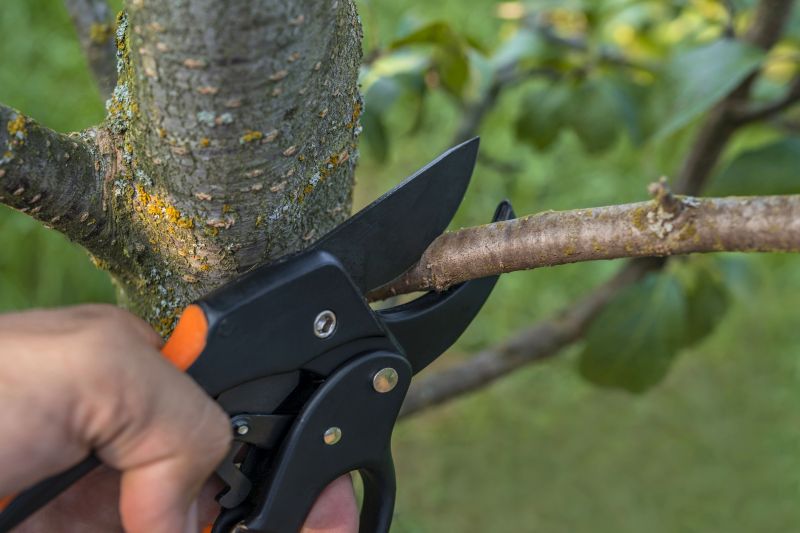
Tree Trimming - Maintains palm health and prevents potential damage from overgrowth.
Land Clearing - Removes multiple palms to prepare the property for new landscaping projects.
Emergency Tree Removal - Provides quick response for storm-damaged or fallen palms.
Palm Tree Removal Questions
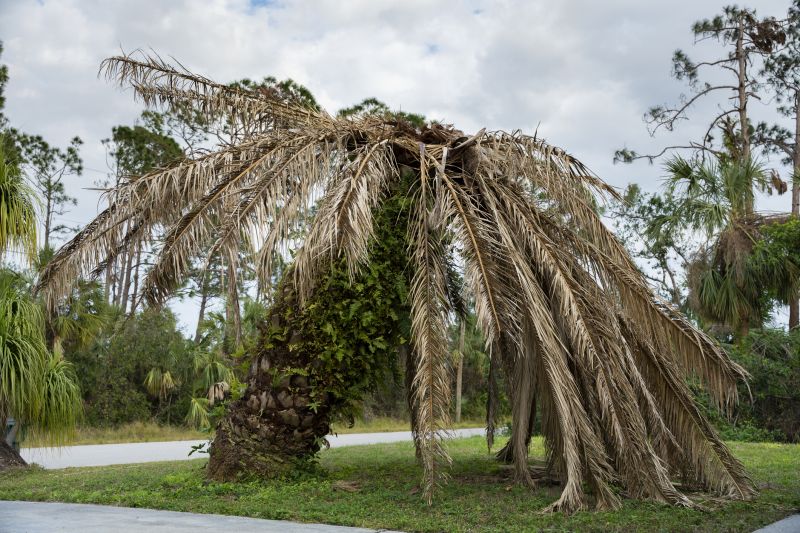
When is palm tree removal necessary? Removal may be needed if the tree is diseased, damaged, or poses a safety risk to the property.
What should property owners consider before removing a palm tree? It's important to assess the tree's size, location, and potential impact on surrounding structures.
Are there any permits required for palm tree removal? Permit requirements vary by location; checking local regulations can determine if approval is needed.
What happens to the debris after removal? Debris is typically cleared from the site, with options for disposal or recycling depending on the project.
Request Palm Tree Removal in Allentown, PA
Use the quote form on this page to share the basics of your project and request more information for the type of work you need.